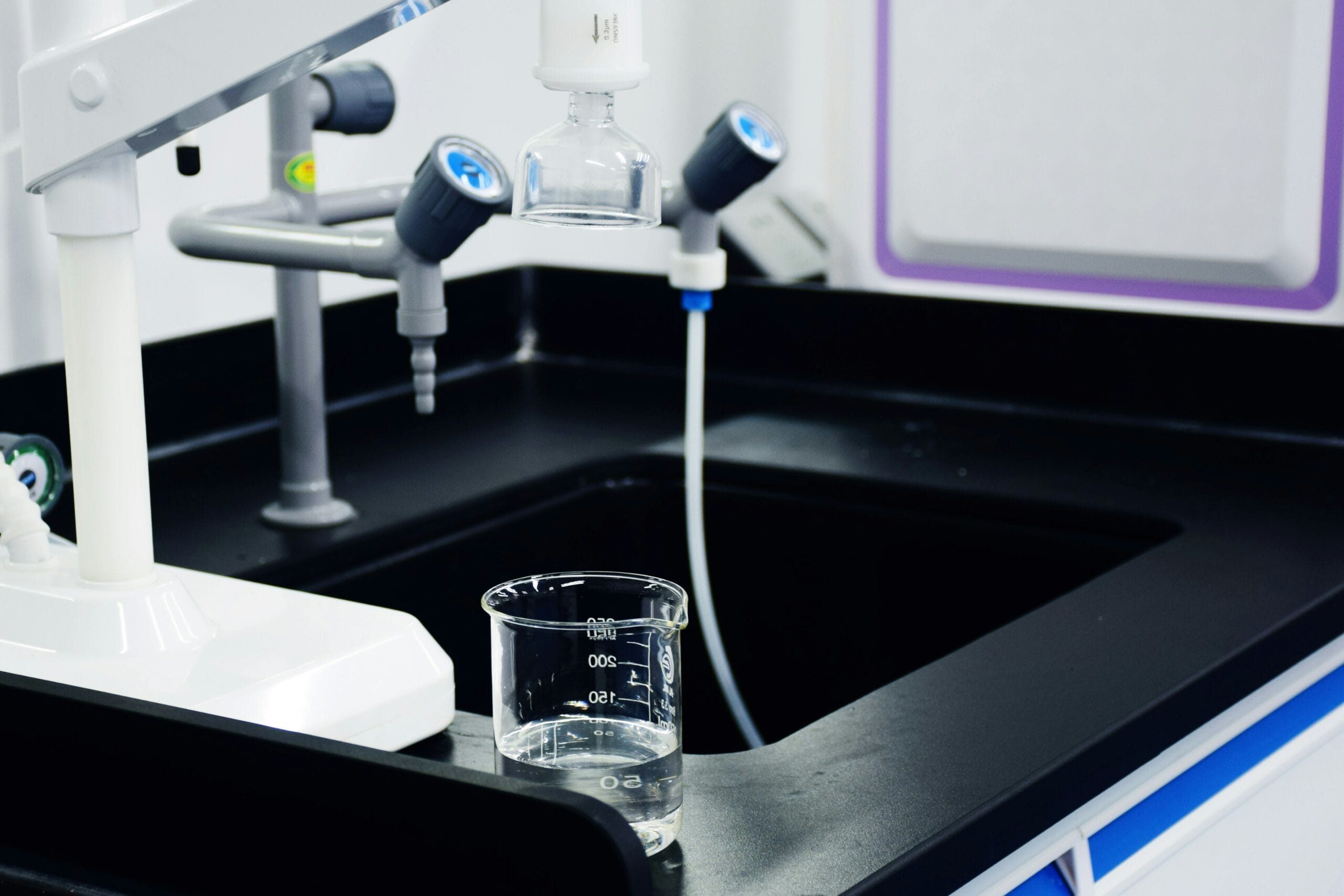
Water can leave the treatment plant clean and still pick up risk inside storage tanks, pipelines, and building plumbing. Sediment, biofilm, and low residuals inside tanks can undermine water quality, which is why Water Tank Disinfection, pipeline disinfection, and plumbing systems chlorination services should be planned as one coordinated process. This article explains how these steps work together, often alongside Chlorinating Gas Waterline Disinfection, to prevent contamination, protect compliance, and keep water safe from the tank to the tap.
The Hidden Step That Keeps Water Safe
People assume that once water is treated at a plant, it stays clean all the way to the tap but in reality, safe drinking water depends on much more than initial treatment. Storage tanks, pipelines, and internal plumbing systems all play a role in maintaining, or compromising water quality.
Water tanks, in particular, are one of the most overlooked parts of the system. They quietly store treated water, regulate pressure, and meet peak demand. That is why Water Tank Disinfection and pipeline disinfection are essential steps in protecting public water supplies.
Why Water Tanks Can Become a Hidden Risk
Water tanks are designed to store large volumes of treated water, sometimes for extended periods. Over time, sediment can settle at the bottom. Organic material can accumulate. These conditions are not always visible from outside, but they directly affect water quality.
When disinfectant residuals weaken inside a tank, bacteria can survive and multiply. As water moves out of storage and into the distribution system, those contaminants can travel downstream.
Regular Watertank Disinfection removes sediment, disrupts biofilm, and restores sanitary conditions. It ensures that tanks support water quality instead of quietly degrading it.
How Water Tank Disinfection Protects the Entire System
Water Tank Disinfection is more than routine maintenance. It is a controlled process designed to reset sanitary conditions inside a critical piece of infrastructure. The process typically involves draining or isolating the tank, removing accumulated debris, and applying disinfectant at concentrations designed to reach all interior surfaces.
Disinfection methods vary depending on tank design, size, and system requirements, but the goal is always the same: eliminate microbial growth and restore disinfectant effectiveness. After proper disinfection, tanks can once again hold water without consuming chlorine residuals or allowing regrowth.
Without professional Watertank Disinfection services, water quality issues often reappear shortly after the system is placed back into service.
Why Pipeline and Tank Disinfection Must Work Together
Water infrastructure functions as a connected system. Pipelines feed tanks, tanks feed neighborhoods, and internal plumbing distributes water to individual buildings. Disinfecting one component while neglecting others creates weak points where contamination can persist.
When tanks are disinfected as part of the same plan, chlorine residuals remain stable, and water quality is preserved throughout the system.
Coordinated disinfection prevents bacteria from re-entering clean pipelines and reduces the need for repeated corrective flushing.
Plumbing Systems: The Final Line of Defense
Beyond tanks and pipelines, internal plumbing systems can also affect water quality. Large buildings, industrial facilities, and municipal complexes often have extensive plumbing networks with dead ends or low-flow areas. These zones allow disinfectant residuals to decay faster, increasing the risk of localized contamination.
Plumbing systems chlorination services address this final layer of risk. By disinfecting internal plumbing after upstream work is completed, utilities and facility operators ensure that treated water remains protected all the way to the point of use.
When plumbing chlorination is coordinated with Chlorinating Gas Waterline Disinfection Services and Water Tank Disinfection, the entire system benefits from consistent disinfectant levels and reduced microbial risk.
What Happens When These Steps Are Skipped
When tank, pipeline, and plumbing disinfection are not aligned, water quality issues tend to follow predictable patterns.
- Loss of chlorine residuals shortly after maintenance
- Recurring bacteriological test failures
- Increased customer complaints related to taste, odor, or discoloration
- Emergency flushing and retesting requirements
- Regulatory scrutiny and operational delays
These problems are usually the result of incomplete or uncoordinated disinfection efforts.
What Proper Disinfection Looks Like in Practice
Tanks must be physically cleaned before disinfection. Pipelines must receive adequate contact time. Plumbing systems must be treated once upstream components are stabilized.
- Coordinated scheduling between pipeline, tank, and plumbing work
- Verified disinfectant concentrations and contact times
- Controlled flushing and neutralization of disinfected water
- Clear documentation for inspections and compliance reviews
When these steps are followed, water systems remain stable, predictable, and compliant.
Final Takeaway
Water safety does not depend on a single treatment step. It depends on how well every part of the system works together. Water Tank Disinfection, pipeline disinfection, and plumbing systems chlorination services are all essential in preventing contamination and preserving water quality after treatment.
FAQ
How often should a water tank be disinfected?
It depends on tank type, turnover, water quality history, and local requirements, but most utilities follow a regular inspection and cleaning cycle and disinfect when conditions warrant.
Is Watertank Disinfection the same as pipeline disinfection?
No. Watertank Disinfection targets interior tank surfaces, sediment, and biofilm. Pipeline disinfection targets the inside of distribution pipes and mains. Both are needed because they protect different parts of the system.
When is Chlorinating Gas Waterline Disinfection used?
It is often used for longer mains or larger systems where maintaining consistent disinfectant levels is critical. The method depends on project needs and safety requirements.
Why do plumbing systems need chlorination if the city water is already treated?
Large or complex buildings can have stagnant zones where disinfectant residuals drop. Plumbing systems chlorination services help sanitize internal piping so water stays protected at the point of use.
What causes recurring bacteria test failures after disinfection?
Common causes include sediment or biofilm left in the tank, uneven disinfectant contact time, untreated dead-end sections, or a lack of coordination between tank disinfection, pipeline work, and internal plumbing chlorination.